
Navigating the AI Wave: What does OECD’s 2026 Digital Outlook Report say for VET
The constant current of conversations around Artificial Intelligence in Education can often feel turbulent, with ever more utopian promise from the big AI companies but offset by fears from AI. Critics in the education research community. It is into this environment that the OECD has released its Digital Education Outlook 2026, a report that aims to ground the discussion in evidence and careful analysis. While the report covers the entire educational landscape, its findings carry implications for the vocational education and training (VET) community across Europe. This post seeks to explore what this comprehensive outlook means for teachers, trainers, researchers, […]
How do you know if you are AI ready?
The AI Ready Schools Erasmus+ project is currently undertaking a literature review focusing on themes of AI Readiness. Here’s are some preliminary findings; An AI-ready school appears to be characterised by a comprehensive mixture of institutional policy, teacher preparation, and a commitment to human agency and ethics. It moves beyond tool adoption to foster an environment where technology serves as a “thinking partner” while maintaining the “human in the loop”. 1. Institutional and Policy Frameworks 2. Teacher Readiness and Pedagogical Shifts 3. Curricular Integration and Literacy 4. Student Agency and Critical Thinking 5. Inclusive and Social Practices Follow the AI Ready project […]

The Ladder, the Economy, and AI: A Deepening Debate for VET
Earlier this week, I wrote about the idea that Artificial Intelligence might be removing the first rung of the career ladder for young graduates. The piece was a reflection on the work of Alberto Romero, who argues that the automation of routine, entry-level tasks is creating a long-term talent pipeline crisis. It is a narrative that is worrying many of us in education and training as we are fundamentally in the business of helping people get onto that very ladder. However, the conversation around AI is never simple, and a counter-argument has emerged that challenges this narrative. In a recent […]

Is AI Destroying the First Rung on the Career Ladder?
Sinem Görücü / https://betterimagesofai.org / https://creativecommons.org/licenses/by/4.0/ Vocational Education and Training is built around preparing learners for the world of work. It equips them with the skills, knowledge, and the qualifications they need to step onto the first rung of the career ladder. But what if that rung is starting to disappear? I have been reading a worrying newsletter, The Algorithmic Bridge, by Alberto Romero from Madrid. He paints a vivid picture of a structural shift happening in the labour market, a shift driven by Artificial Intelligence that has profound implications for the future of vocational education and training. For generations, […]
Rethinking the Purpose of Education in the Age of AI
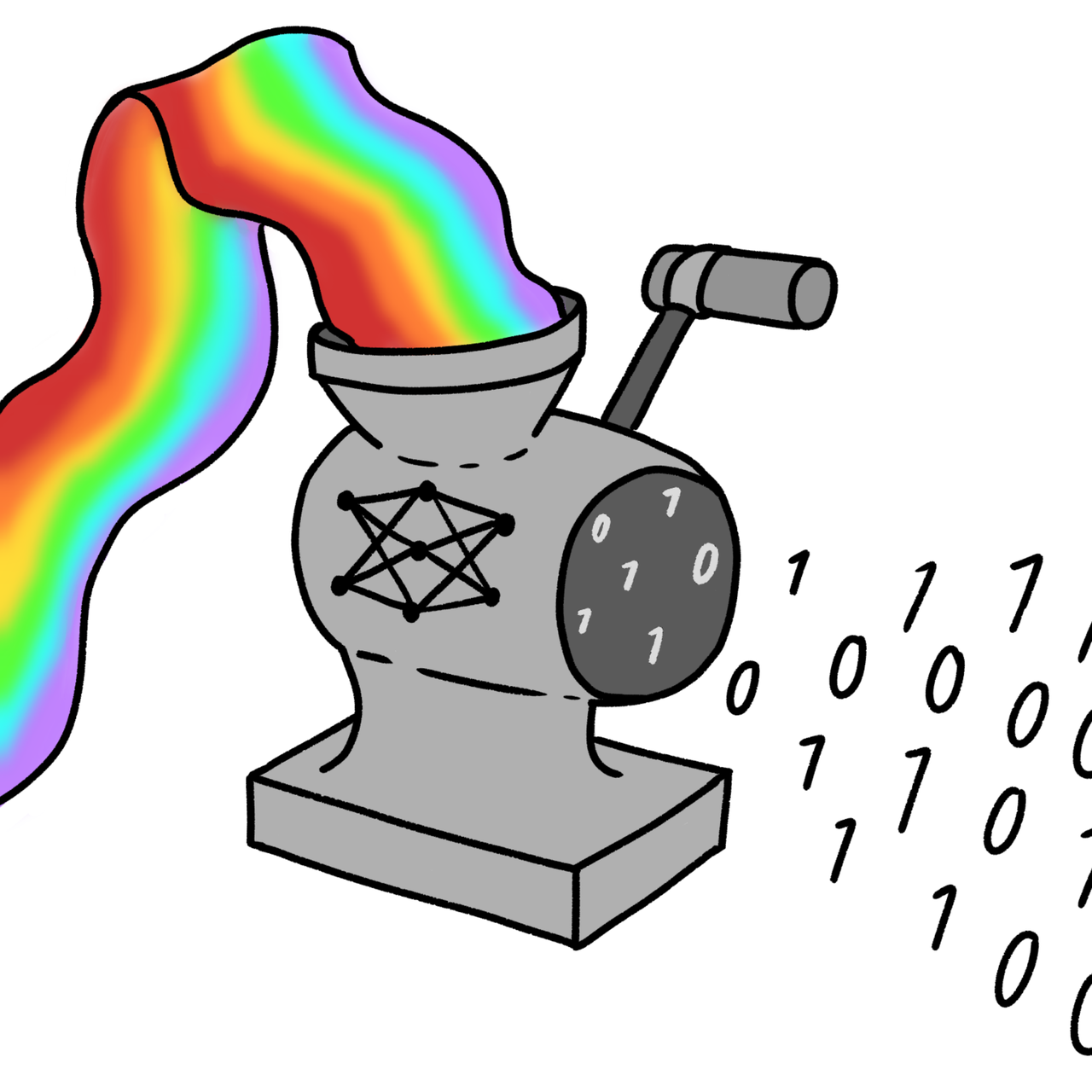
The conversation around Artificial Intelligence in education often gets stuck on the tools. We debate the merits of different apps, the risks of cheating, and the best ways to write a prompt. But these new technologies are leading to discussions of much deeper questions including the purpose of education and the nature of knowledge? These discussions are not easy, coming. From cross disciplinary directions and often invoking philosophical understandings. However, I am going to try to summarise the some of the ideas, as much to help my own understandings as well as readers on this blog. First up is a […]
Demystifying AI for teachers and trainers
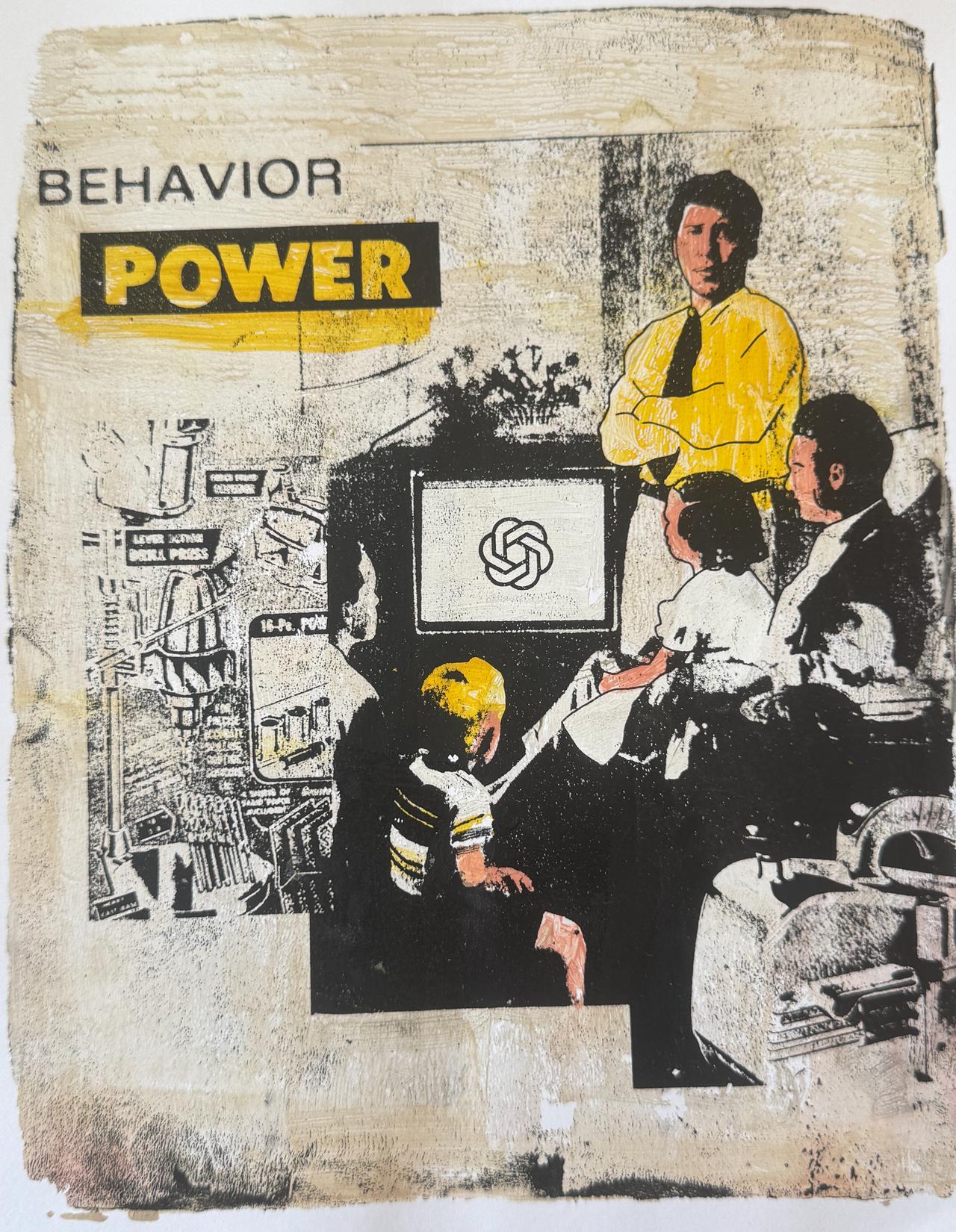
For all the talk about the transformative power of Artificial Intelligence in education, there remains a gap between the hype and the reality of classroom practice. A new report, “Demystifying AI: Preparing K-12 Teachers to Integrate AI Tools into their Practice,” offers an evidence-based look at what it takes to prepare educators for the age of AI. Published by WISE in collaboration with the MIT pK-12 Initiative and MIT RAISE, the report provides insights into the challenges and opportunities we face in vocational education and training (VET) across Europe. The study is impressive in its scale and diversity, evaluating the […]

Include students in the development of AI education policies
My colleague George Bekiaridis drew my attention to a post by Cristobal Cobo on Linkedin. Cristobal was commenting on a new report by Turintin – Crossroads, navigating the intersection of AI in Education – who have surveyed 3,500 higher-education stakeholders—including administrators, educators and students—across Australia, India, Mexico, New Zealand, the UK/Ireland and the US in August 2024 to assess AI’s role in teaching and learning. Turintin are the controversial company who make and market plagiarism checking applications especially to higher education providers. Anyway the report sounded interesting so I tried to download a copy. Turintin asked for a form to […]

The new panic
When we set up the AI Pioneers community, three years ago. there was a spreading panic in higher education about the impact of Generative AI. The majority of assessment was being organised through written essays and AI chatbots like ChatGPT were very good at quickly writing reasonably erudite essays. What was worse was that the detection applications traditional ed tech providers rushed to the market didn’t work, returning both false negatives and false positives. Over time, the panic has subsided, with universities developing new (and sometimes innovative) approaches to assessment. Indeed there has been a general acknowledgement that assessment needed […]

AI and health and social care
Photo by Mike Setchell on Unsplash One of our […]

We need quiet, rigorous progress to make educational technology trustworthy
MIT Technology Review is a media company founded at the Massachusetts Institute of Technology in 1899. Through a seemingly well resourced portfolio of web sites, print, newsletter, media and live events, MIT Technology Review says they aim to explain the newest technologies and their commercial, social, and political impacts. Their mission, they say, is to empower our audience with credible insights to understand what’s coming next in emerging technology, and why it matters. I have been subscribed to their free newsletter on AI for the last three years. And it has extensively covered the rise of Generative AI from a […]