
The Algorithm on Trial
For years, educators have been on the front lines […]
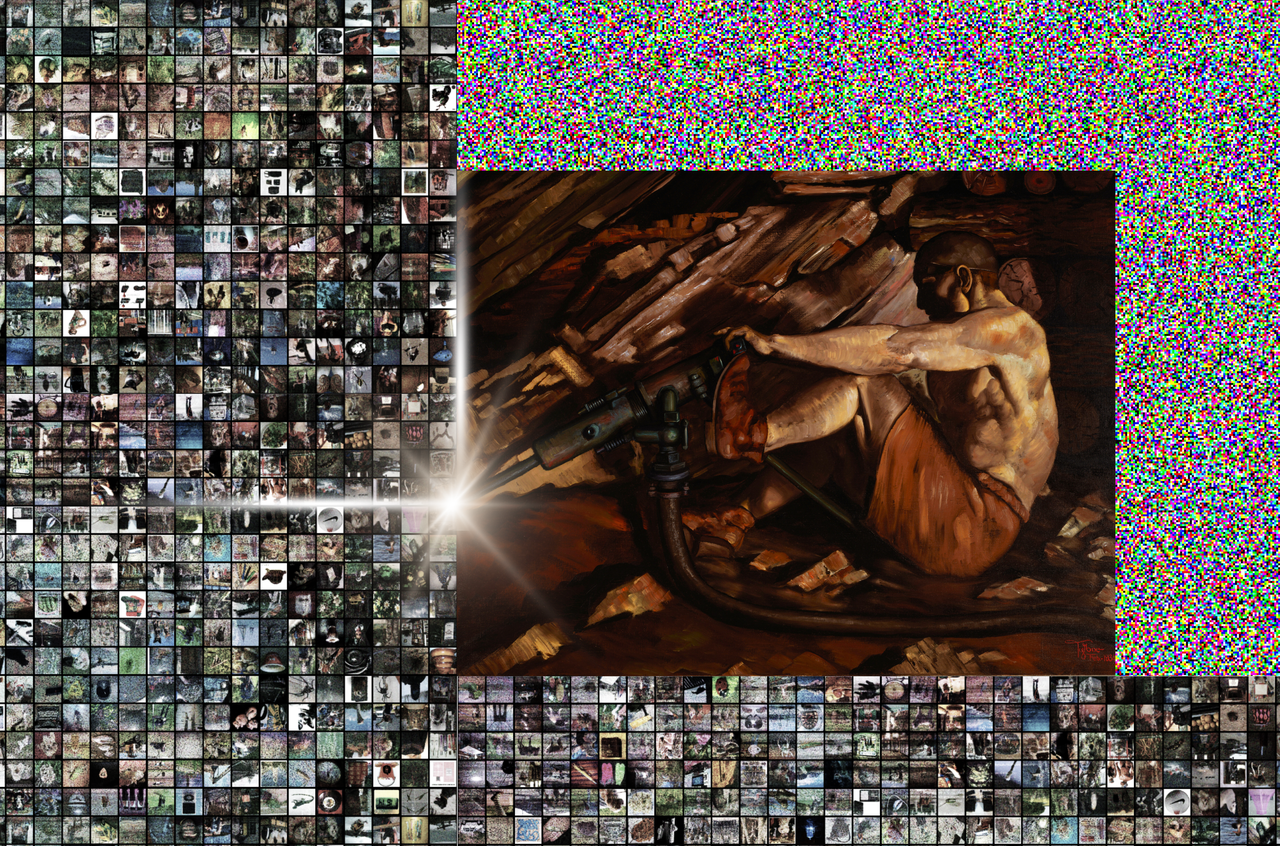
Researching Futures in Education and Training: Reflections on the Social Life of AI and Troubled Times
The rapid adoption of Generative AI – at least […]

Trained to stop learning?
A new report from the UK-based higher education think […]
Podcast: Teachers, Trust and AI in VET
A couple of weeks ago I greatly enjoyed being interview by Michael Hallissy for Teachnet Ireland. We covered a lot of ground but being honest I didn’t want it to stop. Anyway here is their report on the podcast and you can listen to the podcast on their website. In the latest edition of the TeachNet podcast, Dr. Michael Hallissy is joined by Dr. Graham Attwell, a researcher and practitioner in vocational education and training (VET), and a leading voice in digital learning and artificial intelligence in VET. Drawing on over four decades of experience, Graham offers a critical and […]

The Gap Between AI Theory and Practice: A New Look at Labour Market Impacts
The debate over artificial intelligence and its effect on employment often feels like a pendulum swinging between utopian promises and dystopian fears. It is a discourse in need of data. A new report from Anthropic, titled “Labor market impacts of AI: A new measure and early evidence” [1] attempts to ground the conversation in reality. The authors have developed a new metric—observed exposure—that moves beyond theoretical speculation by combining AI’s potential capabilities with data on its actual, real-world usage. The report contains a chart that tells a far more interesting and complex story than a simple narrative of job destruction […]

Webinar – Supporting Migrant learners
For the next AI Pioneers Network webinar we’ll be […]

New EU Digital Education Guidelines
George Bekiaridis and Graham Attwell from AI Pioneers were […]

Integrating AI in TVET Institutions
UNESCO‑UNEVOC are developing a practical guide for the integration of AI in TVET institutions, together with Shenzhen Polytechnic University and Otto‑von‑Guericke University Magdeburg. The practical guide focuses specifically on TVET, not general education. They say they “are therefore particularly interested in the challenges, opportunities, practices, and lessons learned that relate to the unique realities of TVET, especially the practical dimensions, including the teaching, learning and assessment of hands‑on skills both in school-based settings and in workplace environments.” From AI Pioneers myself, Graham Attwell, George Bekiaridis and Oliver Nahm all applied to join the expert group for the publication and all […]
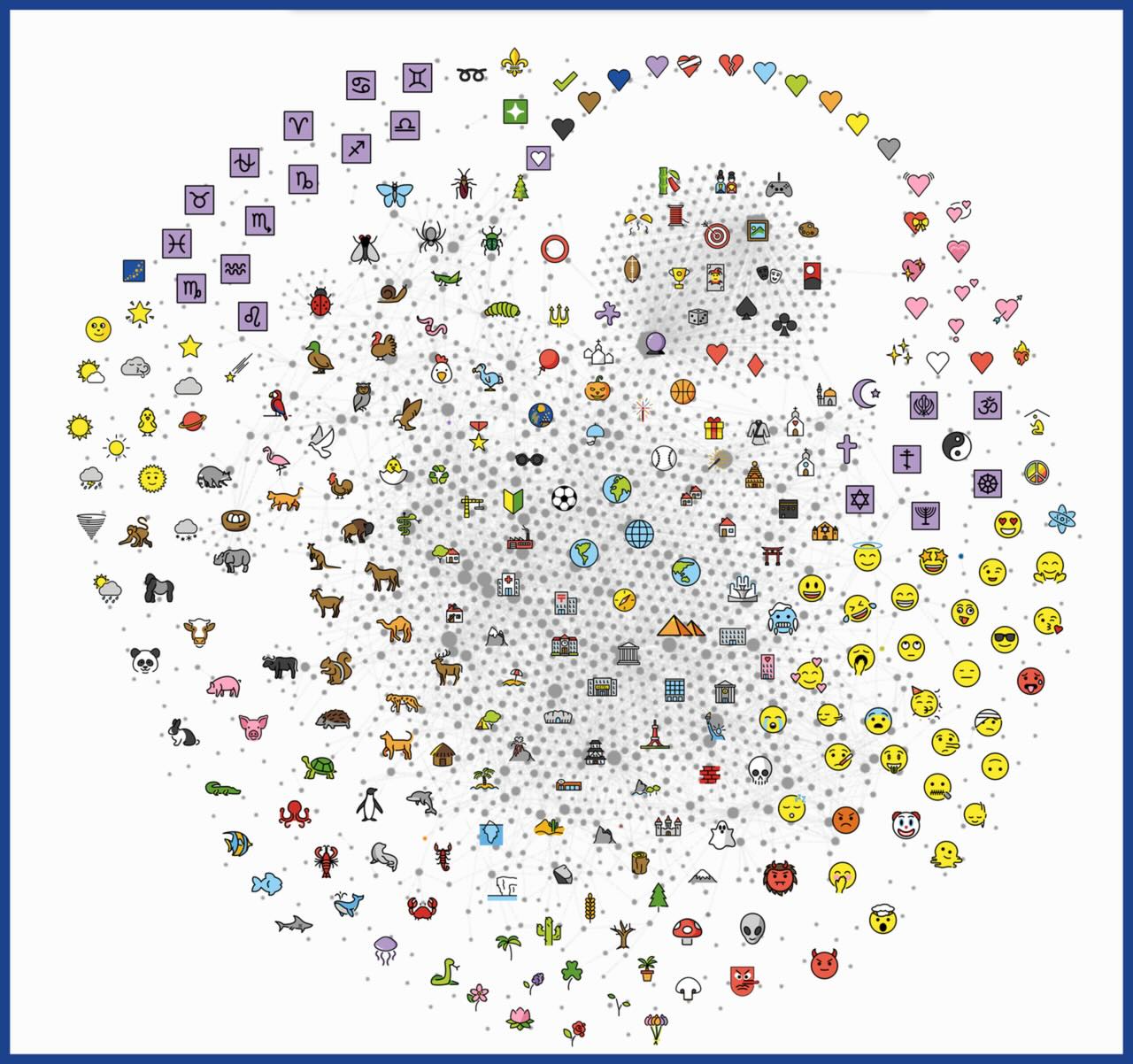
Opportunities to Shape the Future of AI in Education
Artificial intelligence is increasingly influencing the landscape of education, presenting both opportunities and challenges. As AI and other advanced digital technologies become more integrated into our learning environments, it is important to develop a dialogue that is inclusive, ethical, and forward-thinking. For researchers, educators, and policymakers in the field of vocational education and training (VET), two recently announced calls for papers offer a chance to contribute to this important conversation and shape the future of AI in education. AI in Vocational Education and Training (VET) Cedefop, the European Centre for the Development of Vocational Training, has launched a call for […]

Revisiting Digital Literacy in VET: Foundational Skills for the AI Era
As artificial intelligence continues to reshape industries and job roles, the conversation around digital skills in vocational education and training (VET) has never been more prominent. While the focus is often on the latest AI developments, a 2020 Cedefop research paper, “Key competences in initial vocational education and training: digital, multilingual and literacy,” provides a foundation for understanding the challenges and opportunities in teaching these skills. This article revisits the report’s key findings on digital competence and explores their enduring relevance for how we approach basic skills education in an age increasingly defined by AI. The Ongoing Debate: Integrated vs. […]